


Table of Contents
Key Takeaways
- Highway hypnosis, also known as white line fever, is a common cause of accidents and injuries.
- Awareness and recognizing the symptoms that cause drivers to fall into hypnotic states can help avoid dangerous situations.
- If you are in an accident due to highway hypnosis, working with an experienced Montana car accident attorney can help you navigate the complexities of insurance claims and other aspects relating to auto accidents.
Have you lost your concentration on the road while driving home from work and almost missed your turn? Have you decided to go on a long driving trip with your family and found yourself in a trance-like state? This is what highway hypnosis feels like.
Also known as White Line Fever, highway hypnosis can cause dangerous situations on the road because it impairs a driver’s ability to remain alert and aware of their surroundings. Highway hypnosis can occur due to monotonous routes, long road trips, fatigue, or drowsiness. If you don’t identify the symptoms beforehand, you might face significant consequences, including missed exits, delayed reactions to traffic signals, or even accidents that could put yourself and others in danger.
If you or your loved ones suffer an injury from highway hypnosis, contact the experienced car accident attorneys at Joyce, MacDonald, Haynes & Johnston.
“It was my pleasure to work with Saidee Johnston and Bill Joyce of Joyce, MacDonald, Haynes & Johnston. Communication was key. It was clear and often, explaining legal terms that helped me to move forward and provide appropriate documentation to them. Proper expectations were set up front. Having no legal background, I felt they understood this and were empathetic and understanding always! I felt extremely comfortable from our first meeting right through to the successful end because of the constant open communication. Effective communication is a must in building a great relationship with clients and their Firm is built upon this premise. Thank you. Denise” – Denise H.
What is Highway Hypnosis?
Highway hypnosis, often referred to as white line fever, is a phenomenon where drivers enter a trance-like state during prolonged periods of driving, particularly on monotonous roads. It commonly occurs when drivers drive for long periods and their brain goes on “auto-pilot.” “White line fever” is appropriately named because the white lines on the roadway can create a hypnotic effect.
Is There a Difference Between Drowsy Driving, White Line Fever, and Highway Hypnosis?
The symptoms of all three phenomena are very similar and many people consider them interchangeable. However, highway hypnosis does have some unique symptoms because of its automaticity. Behaviors include feeling dazed, daydreaming episodes, concentration loss, and a glossy-eyed state. This is distinct from drowsy driving because individuals are not asleep but on autopilot.
Highway Hypnosis Statistics
Highway hypnosis is considered a form of distracted driving and is often lumped in with drowsy driving statistics. The numbers suggest that drowsiness contributes to 21% of all motor vehicle crashes resulting in fatalities, and 13% of crashes resulting in hospitalizations. Perhaps even more alarming, more than one-third of drivers surveyed by the National Safety Council admitted to falling asleep behind the wheel, many at high speeds.
Where Does Highway Hypnosis Happen?
Drivers often experience highway hypnosis when traveling on long, monotonous stretches of road, particularly highways and interstates. Truck drivers are particularly susceptible due to the long stretches of road they travel and repetitious routes.
Causes of Highway Hypnosis
Causes of highway hypnosis include the following:
Monotony of the Surroundings
Dull roads with no change in landscape, no traffic stops, and essentially nothing to break up the monotony can quickly lead to white-line fever.
Brain Inactivity
Driving along a familiar road or looking at an unchanging landscape that offers no stimulation can essentially “dull” the senses. Due to the lack of stimuli, the brain will depend more heavily on mental prediction of what will be seen rather than seeing the roadway.
Driver Fatigue
While drowsy driving is different than highway hypnosis, the latter tends to increase the former. As the brain processes more slowly, it is more likely to become tired as the motorist continues driving.
Stress
Stress is a distraction that can contribute to white-line fever. The driver may develop inattention and a decreased ability to focus on the roadway. They may also get lulled deep into their thoughts, causing them to visualize whatever the stressor is rather than the road in front of them.
Signs of Highway Hypnosis
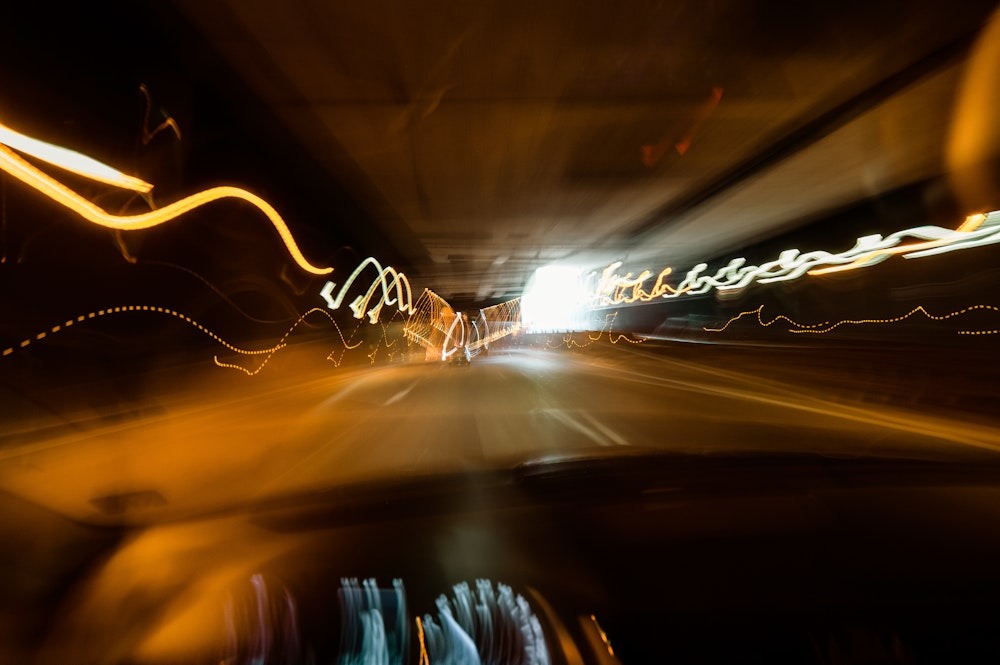
Drivers suffering from a state of highway hypnosis often display the following signs:
- Daydreaming
- Slow reaction time
- Wandering thoughts
- Feeling dazed
- Glossy-eyed state
- Heavy eyelids
- Loss of concentration
- Forgetting to use turn signals
- Not seeing road signs or a red light
Highway hypnosis may cause the driver to drift into another lane, miss an exit, travel over the speed limit, or go off track without realizing where they are before suddenly snapping out of a trance.
Dangers of Highway Hypnosis
Highway hypnosis is an extremely dangerous situation that can cause accidents.
Increase in Insurance Premiums
In addition to the dangers associated with highway hypnosis, it can also result in higher insurance premiums due collisions or traffic violations.
Helpful Tips to Avoid Highway Hypnosis
To avoid highway hypnosis, try to keep your mental state alert with these strategies:
Take Regular Breaks
Take breaks when driving long distances so you do not zone out; this gives you a chance to stretch your legs, get fresh air, and rejuvenate your brain.
Plan Your Route Wisely
Vary your travel with unique landscapes that allow you to view different road sights and landmarks so you do not get lulled into a trance.
Listen to Engaging Audio Content
While music offers good company while driving, it can become monotonous. To avoid this, vary your listening with engaging audiobooks and podcasts.
Stay Hydrated and Avoid Heavy Meals
Dehydration and heavy meals make you sluggish, which leads to fatigue. Pack plenty of water and eat healthier, light meals along the way.
Use Mindful Driving Techniques
Be mindful, vary your mental stimulation, maintain good posture, and find ways to keep your brain alert. Staying in the moment significantly reduces the chance of a crash.
Utilize Technology
Modern technology can help you stay alert. Use adaptive cruise control, lane departure warning systems, and alertness monitoring systems if available.
Share the Driving
If you have a long drive ahead of you, get a good night’s sleep the day before and, if possible, plan to bring along another driver who can share driving duties. Having another driver will allow you to take frequent breaks and naps in the car so you can get enough sleep during the trip.
Can I Still Be Liable if I Crash While I Zone Out?
You can still be liable in a crash if you zone out. Experiencing highway hypnosis does not give you a pass if it leads to an accident.
Why Work with Joyce, MacDonald, Haynes & Johnston
The personal injury attorneys at Joyce, MacDonald, Haynes & Johnston have more than 90 years of combined experience representing Butte and the communities in Southwest Montana.
Clients often work with our law firm because we are local and can assess a situation quickly and start gathering evidence.
Our car accident lawyers are active in the community and are very hands-on with each case we handle. If you choose us for legal representation, you can count on our lawyers to personally handle your case.
Testimonials
“Michael W. Haynes, represented me in the navigation of [an] insurance claim due to a car accident. Michael was very knowledgeable and proficient in his efforts, demonstrating a professional balance between diplomacy and assertiveness that was very effective. He was respectful and practiced transparency in his dealings with me, answering questions thoroughly and in a timely manner, so I felt “in the know” throughout the process, which lessened my anxiety considerably. Through his efforts my claim was settled successfully.” – Wanda J.
“I thought I had a reasonable idea how to approach my case but I found out I really didn’t know anything about how my lawsuit works. Mike and Sadie led me through this process and were very concerned not to settle too soon to make sure that my injuries were taken care of. They were very [knowledgeable] about the opposing side and gave me good counsel about how this will play out. They were able to get me a very fair settlement. I highly recommend them to anyone who has been injured.” – Ray M.
Spot Highway Hypnosis Early-Stay Alert, Drive Safe!
Highway hypnosis is a dangerous situation that can lead to serious injury. Awareness of this phenomenon is the first step in learning to avoid collisions.
Joyce, MacDonald, Haynes & Johnston’s attorneys are fully committed to defending our client’s rights and pursuing justice. We approach each case with understanding, strong communication, and transparency.
To schedule a free consultation with our personal injury lawyers, call us at 406-723-8700 or fill out our online contact form.
Frequently Asked Questions
Any driver taking a regular route or driving while fatigued increases the risks for highway hypnosis. Other factors, include traveling long distances, distractions in and out of the vehicle, and stress add to the risk of developing highway hypnosis.
Yes, engaging in good conversation with others in the car can prevent highway hypnosis.
Drivers can take frequent breaks, roll down car windows, consume caffeine, and listen to interesting podcasts (or other audio content) to help prevent highway hypnosis.


